
Last week’s virtual conversation about building and strengthening rural capacity stayed practical and grounded. Participants spoke about days spent on grant reporting. About the same ten people connecting dots across a region. About showing up year after year, even when funding shifts.
One theme ran through the session: regional, place-based strategies allow rural and Indigenous regions to move beyond one-off projects and into lasting change. Transformation does not come from a single grant cycle. It comes from coordination, trust, and steady presence.
Participants tuned in from across the country and represented a wide range of roles in rural development, including community foundations, Tribal organizations, economic development districts, local governments, universities, and regional intermediaries.
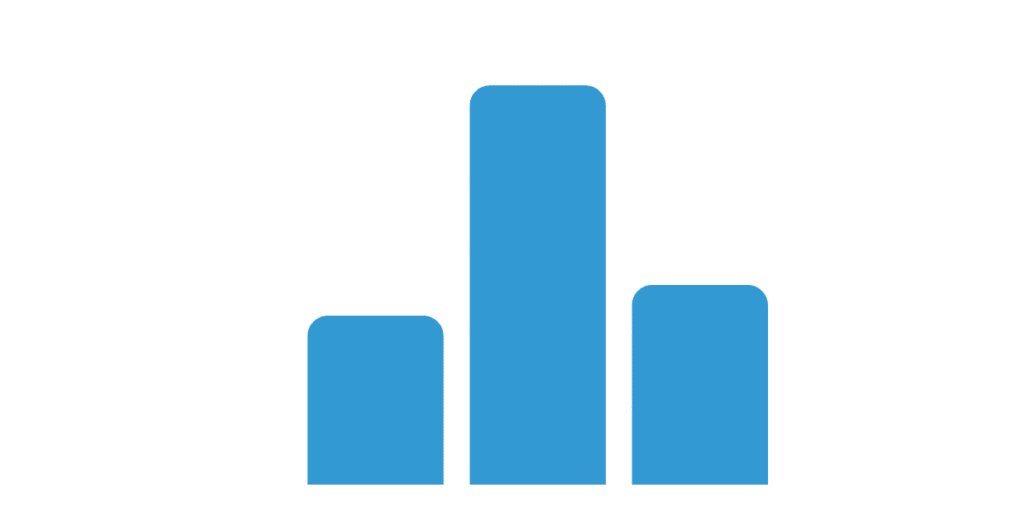
When asked about familiarity with regional collaboration models such as Aspen CSG’s Rural Development Hub model, participants shared:
This mix reflects both growing momentum and continued need for field-building.
We also asked how people see the year ahead:
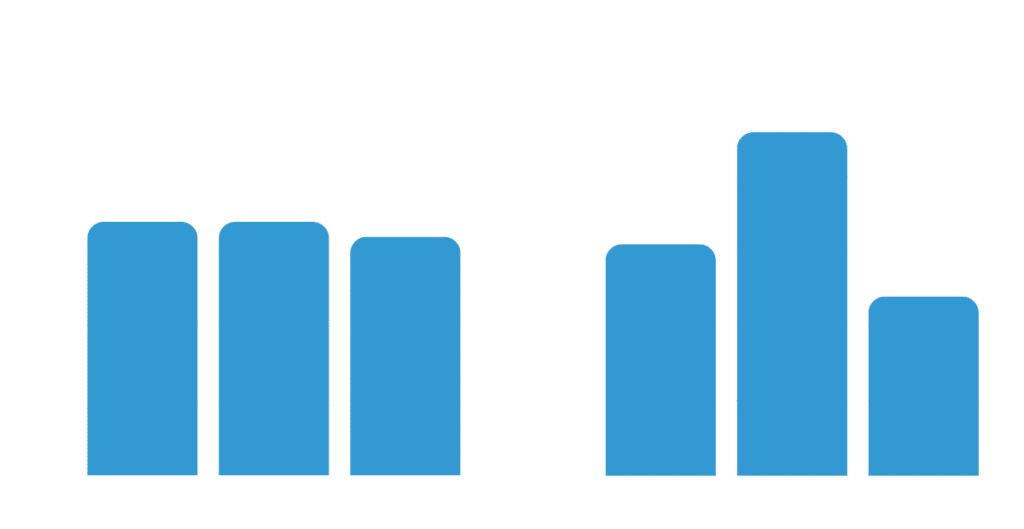
The responses were fairly evenly split. That balance captures the current moment: steady commitment, paired with real uncertainty.
Regional coordination is not a luxury. It is stabilizing infrastructure. Here is what practitioners shared about how they are sustaining it.
1) Build the Capacity Behind the Strategy
In many rural communities, leadership is stretched thin. A single person may be managing grants, running a nonprofit, serving on a local board, and responding to community needs all at once.
One participant shared an example from Alaska where rural leaders were spending hours each day on grant administration, leaving little time for long-term strategy.
Regions that are building durable capacity are investing differently. They are funding dedicated staff for grant management. They are using affiliate and fiscal host models to reduce administrative burden on smaller communities. In Tribal communities, some Hubs are funding positions focused specifically on grant writing and project development.
This work rarely makes headlines. But without it, regional strategy collapses under compliance requirements.
2) Start With an Invitation
Trust was a consistent theme. Several speakers described affiliate models that wait to be invited rather than entering communities with a pre-set agenda. Local steering committees host forums, review data, and identify priorities themselves. From there, task forces form to carry the work forward.
The approach is straightforward: show up, listen, and don’t extract information that never benefits the community.
Equally important, do not disappear when funding ends.
Sustained regional capacity grows at the speed of trust. That requires multi-year funding, place-based staff, and partnerships that cross county and sector lines.
3) Adapt Tactics, Not Values
Funding priorities shift. Administrations change. State agency rules evolve.
One participant described Rural Development Hubs as chameleons. They adapt constantly. But the Hubs that sustain capacity over time are clear about their role and values. They know whether they are conveners, fiscal hosts, facilitators, or advocates. They document those roles and use them to set expectations.
Flexibility works best when anchored in purpose.
4) Collaborate to Expand Access
Large grant programs often exclude smaller rural projects through minimum thresholds and complex requirements. Several regions described bundling multiple local initiatives into a single application to meet funding requirements.
Others spoke about including multiple sub-awardees to ensure shared benefit across a region.
Rural Development Hubs also sit at tables with larger institutions that routinely receive major awards. They ask direct questions about how rural and Tribal communities will hold meaningful roles in the work and receive appropriate resources.
This coordination changes who has access to funding.
5) Invest in People, Not Just Projects
Capacity building works when it strengthens the people who carry the work forward.
Participants shared examples of Tribal capacity-building staff, rural childcare collaboratives operating across county lines, and conservation districts receiving support for administrative staffing.
Programs matter. But people sustain systems.
6) Support Wealth Creation Defined by Communities
As funding norms evolve, Hubs are also rethinking how success is measured.
Traditional metrics often emphasize outputs that do not reflect community priorities. Some Hubs are measuring livelihoods, ownership, and who benefits from development. They are defining success locally and asking funders to consider those measures alongside traditional indicators.
Frameworks such as WealthWorks support this approach by starting with local assets and building outward. Communities map natural resources, civic institutions, and trusted networks. They use structured collaboration methods such as Strategic Doing to align partners and reduce duplication.
When communities define what matters, measurement begins to influence systems.
7) Bridge Communities to Larger Opportunities
Rural Development Hubs are place-rooted organizations that coordinate partners across a region to build local wealth and long-term capacity. Aspen CSG works with Hubs across the country to document, convene, and strengthen this approach.
Hubs often serve as connectors between local leaders and funding streams that were previously out of reach. They advocate for equitable resource allocation and ensure communities have leadership roles in project design.
This systems-level work requires negotiation, persistence, and long-term relationships. It is rarely funded directly, yet it is essential infrastructure for regional strength.
Aspen CSG will continue convening Hub leaders and partners to elevate practical lessons from the field and strengthen this work nationally.
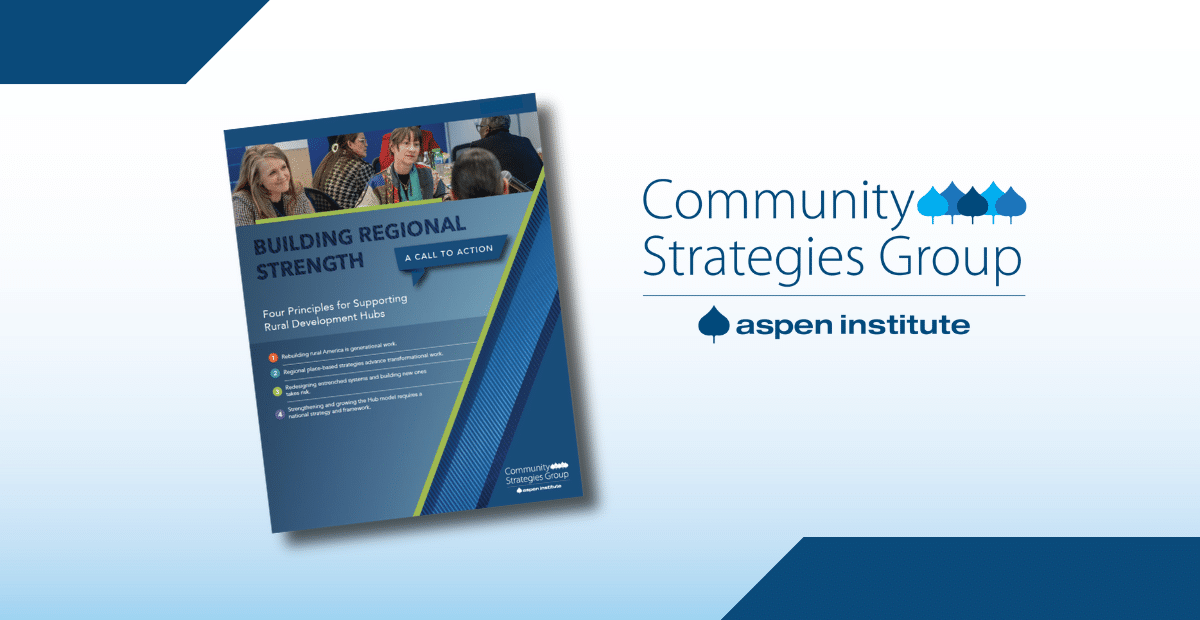
Slides from the event are available here. We invite you to revisit Building Regional Strength: A Call to Action and consider how your region is sustaining capacity for the long term.