View this Publication

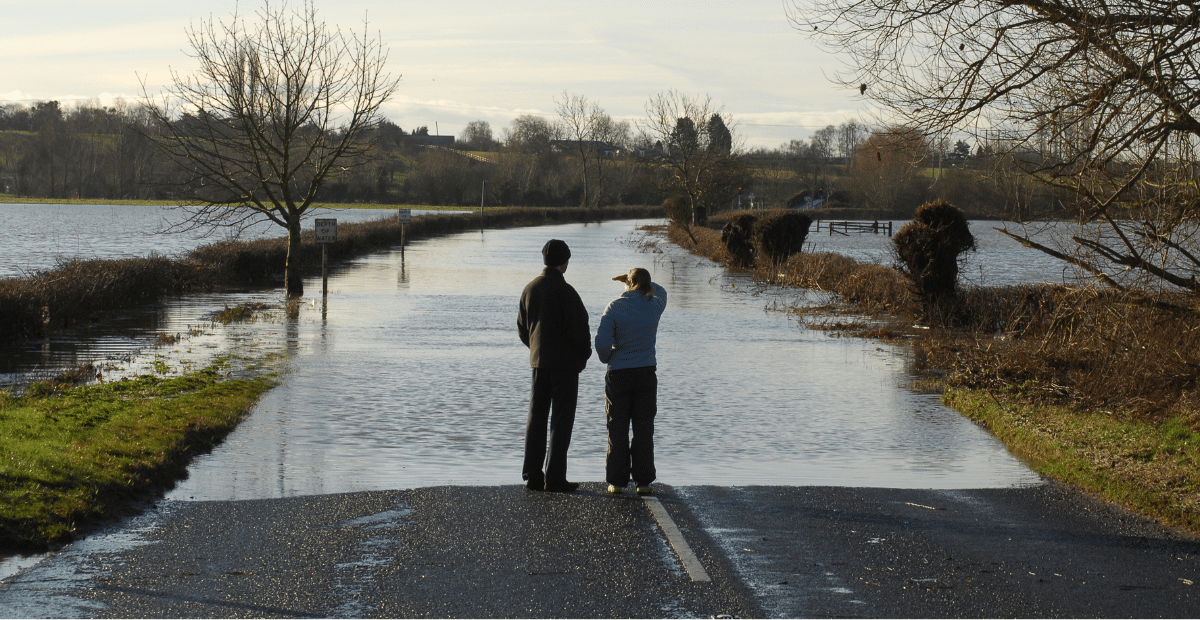
We all want to live in places that are safe and able to respond to disasters. But right now, many rural communities and Native nations — especially communities of color and low-wealth places — experience repeated devastating flooding.
Repeated flooding is an environmental justice issue for both urban and rural communities, but rural communities need rural solutions when confronting natural disasters and associated recovery efforts, as detailed in our call to action, Through Natural Disaster to Prosperity.
The drivers of repeated flooding in rural communities are complex, including climate, unsustainable approaches to development, and structural inequity. Still, rural people across the country are working diligently and creatively on home-grown solutions.
The communities and organizations profiled in this case study are all working hard to address the causes and conditions contributing to flooding in their areas, as well as to envision and build thriving futures of equitable rural prosperity.
They generously shared their thoughts, focusing on two key questions:
- What structural challenges keep rural communities from addressing repeated flooding?
- What will it take for rural communities to drive their own solutions to repeated flooding?
related resources

Organize an Action Infrastructure
Communities have the local and regional institutions, policies, systems, data, information, media, and resources needed to establish, align and achieve priorities that increase both well-being and equity.

Balanced Development Outcomes
How to define and measure balanced development success as decreasing economic and racial inequality while building local wealth, sustainability, and resilience.

Design for Everyone to Thrive
Local leaders intentionally design community and economic development efforts to improve outcomes for people disadvantaged due to historic or ongoing economic, racial, age, gender, or cultural discrimination.

Rural Voice in Design and Action
A robust, representative, diverse and powerful network of Native nation and rural leaders, practitioners, and doers consistently engage in advising and influencing narrative, policy design, and action agendas across sectors and levels of government.
Aspen CSG’s consultant Rebecca Huenink led the writing process for our What’s Working in Rural series. We are grateful for her contributions.