Now is the time to both leverage and learn from the significant federal place-based investments.
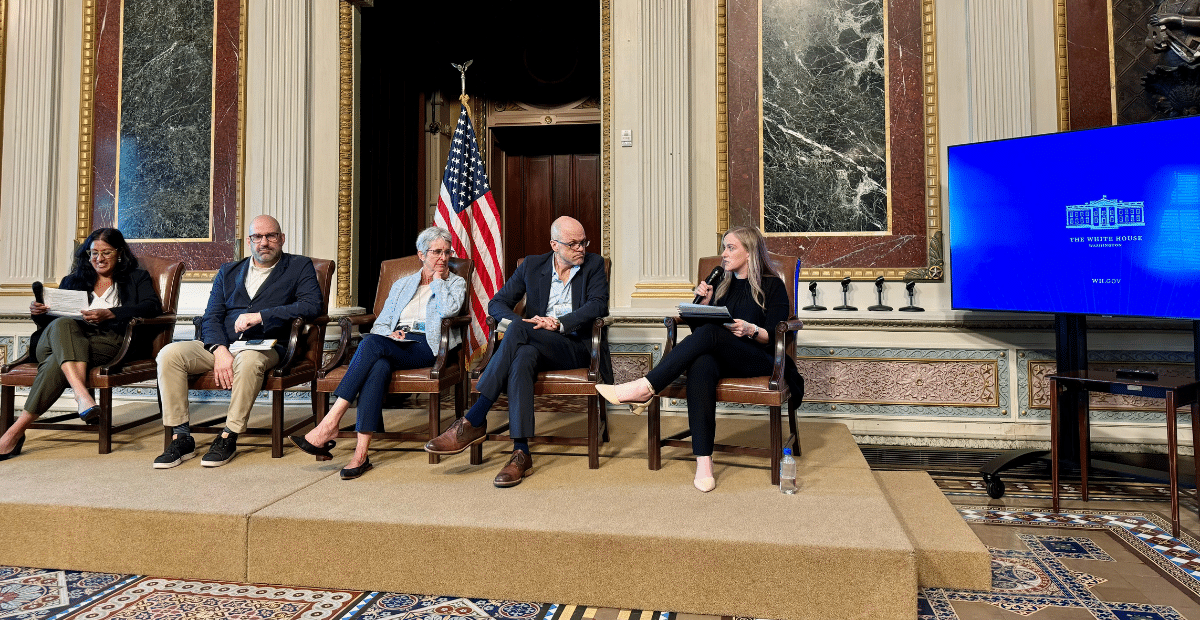
I had the honor and pleasure to speak on a panel at the White House Summit on Capital Support for Place-Based Economic Development this week.
For the past three years, the federal government has made place-based investments at levels not seen since the 1950s and 60s when we last created significant infrastructure and undertook systemic work on poverty reduction, utilizing capacity-building strategies at the local level. Most importantly, getting these funds to communities and regions that need them most has been a significant priority.
The Rural Partners Network, Inflation Reduction Act, Chips & Science Act, and others offer new transformational opportunities for government agencies to be more connected to communities, learn from current efforts to create greater flexibility and less onerous application requirements, and invest in organizations already working in collaborative, trust-building and risk-taking approaches, so that true local wealth and lasting prosperity can occur. These investments and lessons also offer a tremendous opportunity for leverage and alignment with philanthropy and state government funding to increase the impact and stamina of place-based transformation.
Of the many programmatic investments, the Recompete Pilot Program put forth by the Economic Development Administration may be the most important. Although relatively small in terms of final awardees, this program offered real flexibility in funding that will allow grantees to invest in capacity-building efforts. According to a new analysis of the program by the Brookings Institution, there were over 565 applications, making it the most sought-after funding in EDA history. Most importantly, there were six awardees out of 22 finalists. This means there are now 16 regional development proposals that have been well thought out through funded planning efforts and fully vetted by EDA, making these the most “ripe” opportunities for states and philanthropy to come together and make happen.
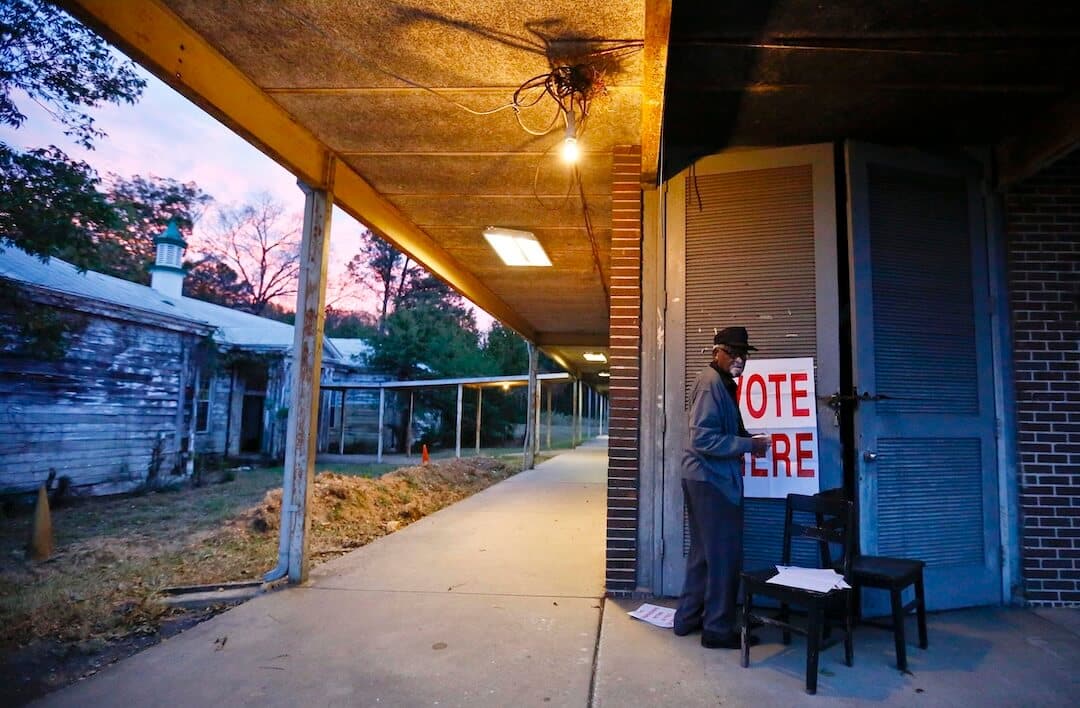
Place-based investments are perhaps the most grounded and related community economic development strategies that local residents can directly see and experience. People have generally thought about this work in places and regions that are and have been struggling — more recently recognized as “left behind.” Unfortunately, because of these struggles, local people, outside agencies, and philanthropy have traditionally viewed these communities from a deficit lens.
Instead, at the Aspen Institute, the Community Strategies Group has developed a practitioner-informed framework based on identifying the assets or capitals in the region as the starting points to build off — rather than focusing on filling gaps with strategies from other places.
It is vital to understand that without a place-based strategy of investments, these struggling places and regions are left to the whims of macroeconomic trends and exploitation. This has been especially true for much of rural America. The challenge has been that place-based efforts and investments in rural and other lower-capacity areas are typically top-down, episodic, and transactional instead of community-led, consistent, and more flexible, capacity-building strategies.
The Aspen Institute Community Strategies Group has worked for nearly four decades with community development practitioners, with the majority of that work focused on rural and non-urban regions. The lessons these folks have shared with us and each other translate to all left behind and lower capacity regions with the special recognition that this work is more challenging in more remote places because of the lower economies of scale, infrastructure, and population density.
Several key recommendations have shown up in our conversations and convenings with community development practitioners:
- One important thing we have learned through the tremendous opportunities noted above and previous development efforts is that investing in organizations working to build trust and capacity in their region with flexible funding that supports this work is the most important starting point for success.
- Another critical lesson and opportunity is to focus on and incorporate more holistic measurements and goals for success. How can we move place-based work towards community well-being, a more comprehensive way to see and measure how all of the different kinds of investments, from federal and state governments to philanthropy, are working collectively to drive better outcomes?
- Finally, it is vital that some part of the measure of success for place-based (and all economic and community development strategies) center displacement prevention. As we all work to make these left-behind, under- and disinvested, and lower-capacity places and regions more thriving, how can we ensure that the current residents get to stay and participate in that growth and prosperity?