View this Publication

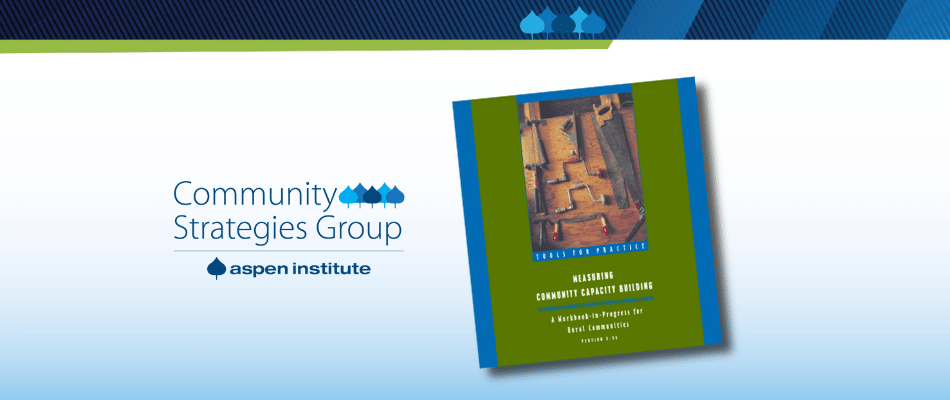
This report, “Would You Like To Swing on a Star? Opportunities to Improve Education in Kentucky’s Fifth Congressional District,” was prepared by the Mountain Association for Community Economic Development (MACED) in May 1986. It addresses the intertwined problems of poor economic conditions and educational attainment in Kentucky’s Fifth Congressional District, which had the lowest percentage of high school graduates in the nation at the time.
The report is based on interviews with 155 people from 15 counties within the District, including school superintendents, teachers, business professionals, students, and parents.
Key Problems Identified:
- Low Educational Attainment: The Fifth District significantly lagged behind state and national averages in high school graduation rates and standardized test scores. A large percentage of adults had not completed high school, and the District experienced high dropout rates.
- Economic Disadvantage: An underdeveloped, non-industrial economy, prevalence of poverty, and accompanying isolation made the educational task more formidable. Lack of good jobs perpetuated educational problems, contributing to a low tax base and dampening student motivation. Educated graduates often migrated out of the District.
- Expectations at Home and School: There was a cycle of blame between parents and schools regarding low expectations for children. Parents felt schools categorized students based on appearance and family name, while school personnel often linked student failure to poverty and welfare dependency, noting a lack of encouragement at home.
- Poor Communication Between Parents and School: Many parents reported frustration in contacting schools due to lack of set meeting times, teachers not staying after school, and homework being sent without instructions. Some parents felt unwelcome or intimidated by school staff.
- Big Schools, Small Children: The consolidation of smaller community schools into larger ones was regretted by some parents and teachers, who felt it contributed to dropout rates and a loss of belonging. Large class sizes, especially in early grades, were seen as a hindrance to individualized attention.
- Teacher Education: There was dissatisfaction with Kentucky’s teacher education programs, with criticisms regarding the quality of master’s programs and the link between master’s degrees and salary.
- Politics: Destructive local politics, particularly related to the control and dispensing of jobs, was seen as a major obstacle to improving education. This led to decisions based on non-educational criteria, damaged teacher morale, and hindered overall school quality.
- Funding: The Fifth District had a lower property value assessment per student and a smaller percentage of school-system budgets derived from local revenues compared to the rest of Kentucky, leading to inadequate facilities and supplies.
Proposed Solutions:
The report emphasizes that solutions require focused and dedicated community effort, involving the whole community, not just school professionals. It also suggests that initiatives benefiting potential dropouts should be designed to benefit all children.
- Strengthening School-Home Relationship:
- Involving parents more directly in education, perhaps through home visits by teachers or paraprofessionals to explain curriculum and offer help.
- Creating programs to help parents feel more comfortable and less intimidated by schools.
- Distributing flyers with positive parenting and discipline tips.
- Improving the Learning Situation within the School:
- Reducing class sizes, especially in early grades (limiting to 12-15 children), was seen as a widely beneficial solution.
- Implementing cooperative learning techniques to benefit students of varying abilities.
- Strengthening the School-Community Relationship (A New Educational Climate):
- Initiating a “massive campaign” to change attitudes throughout the region, emphasizing the value of education.
- Encouraging business leaders to demand better-educated employees.
- Forming a District-wide organization devoted to education and economic development to:
- Award small grants to teachers and administrators.
- Organize a “hire high school graduates” movement.
- Help districts encourage parent involvement.
- Establish a “speaker’s bureau” of community members to talk about their jobs and the value of education.
- Organize internships and promote summer jobs for students.
- Coordinate editorials and news articles on educational topics.
- Recognize outstanding teachers, students, and administrators.
- Facilitate collaboration among college presidents in the area.
- Assist in establishing local educational improvement groups.
The report concludes that there is untapped energy and commitment within the Fifth District to remedy these problems, and a District-wide organization could play a crucial role in harnessing this energy and driving educational change.