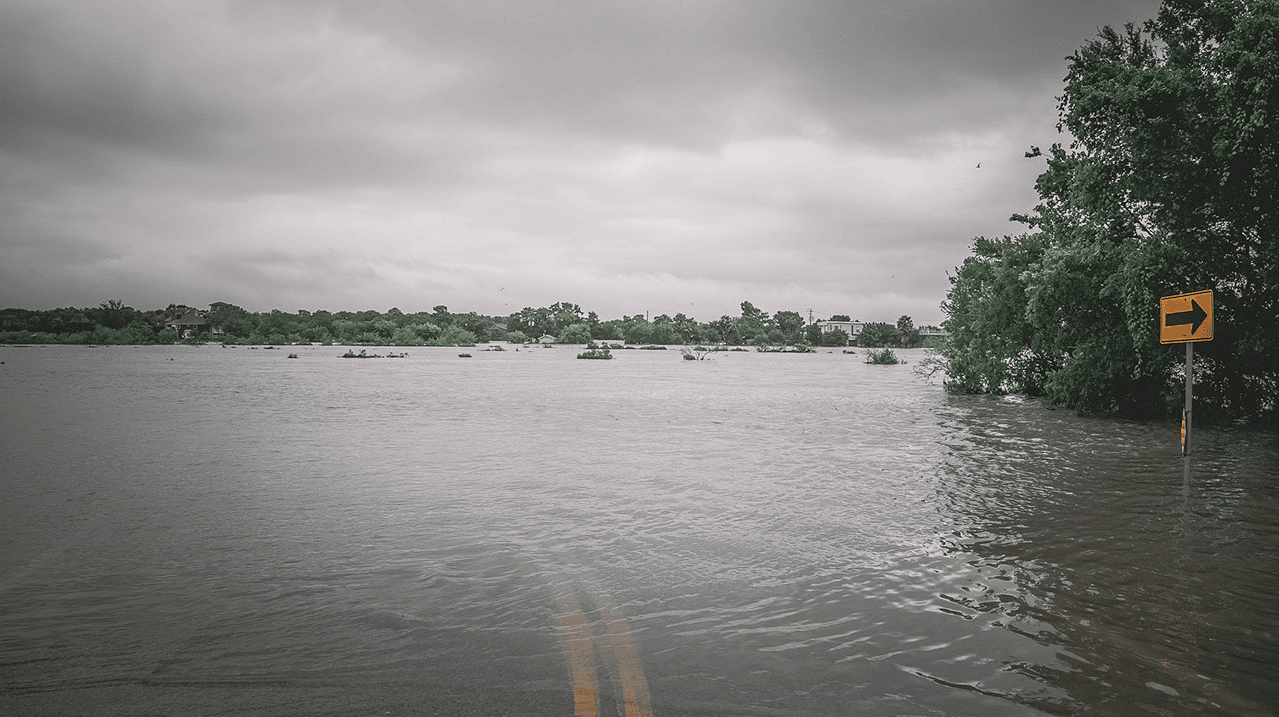
Beginning on July 27, Eastern Kentucky and surrounding regions were battered by the impacts of climate change through unprecedented flash floods which inundated much of Eastern Kentucky, making this the second major flooding disaster in two years. According to the US government’s National Climate Assessment, heavy rainfall is now 20-40% more likely in Eastern Kentucky than it was in 1900. If you want to learn more about this historic flood, check out a recent article from the Daily Yonder newspaper.
Our hearts go out to the families and communities in the region affected by this flooding. While CSG is not a disaster response organization, our goal is to promote local organizations that are on the ground doing the work before the disaster hits and will be there long after the cameras and national organizations recede. Below is a curated list of local resources and organizations aiding relief and recovery:
- Local and regional community foundations are on the frontline for immediate disaster relief as well as longer-term recovery. If you are inclined to make a donation, consider supporting the philanthropic efforts of the Foundation for Appalachian Kentucky, you can contribute to their Appalachian Crisis Aid Fund, which aims to support local people, organizations, and businesses – and to fill gaps for those left out of the wider relief effort.
- Appalshop, a rural development hub focused on environmental and cultural work in the region, was hit hard by the flash flooding. They are home to the largest collection of creative work on Appalachia, including essential films on important issues about the region. Appalshop staff are regularly updating a list of news and resources so folks can contribute to those directly impacted by the floods.
- Appalshop’s list includes a link where you can directly purchase emergency supplies that will be distributed by Appalshop and EKY Mutual Aid within Letcher County, KY.
- Appalachians for Appalachia has compiled a document of resources for affected people and drop-off locations for community donations and support. Please feel free to share within your networks. This list will continue to be updated as relief efforts grow.
- EKY Mutual Aid, an effort begun as a response to the COVID-19 crisis, has created a Flood Relief Fund and money raised will be distributed directly to flood victims and local organizations in affected areas. Donate to the fund.
- The Appalachian Citizens’ Law Center also suffered flooding at their Whitesburg office. ACLC is an important resource for Eastern Kentucky residents who depend on legal support. You can donate to ACLC’s work here.
- Team Kentucky, an initiative of the Commonwealth of Kentucky, has opened an Eastern Kentucky Flood Relief Fund. All donations to the Team Eastern Kentucky Flood Relief Fund are tax-deductible, and donors will receive a receipt for tax purposes after donating.
- FAHE works with a network of nonprofits across the Appalachian portion of Kentucky, Tennessee, West Virginia, Virginia, Alabama, and Maryland. See and consider donating to the list of FAHE members affected and responding to the flooding.
Aspen CSG is committed to sharing resources and elevating the needs of rural communities impacted by natural disasters. Earlier this year, we put together a list of ideas and resources shared by rural folks, for rural folks, that could help your community plan for or recover from natural disasters. Are you or your organization working on disaster resilience in your region? If you would like to learn more about our support for disaster response in rural places, please reach out to CSG.Program@AspenInstitute.org.