
This case study examines how rural regions and Native nations build the collective capacity — commitment, resources, and skills — needed to navigate population and economic change. Drawing on conversations with 28 practitioners across the country, it looks at how Rural Development Hubs coordinate local action, and profiles Hazard, Kentucky, as a real-world example of capacity building in practice.
Regions Flourish When Local People Can Make Decisions About Their Own Economies, Institutions, and Futures
Rural and Indigenous regions are facing population and economic change; their ability to thrive amidst these shifts depends on whether they have the collective strength of commitment, resources, and skills to act.
Across the United States, rural regions and Native nations are experiencing different patterns of population change. Some are losing residents and employers. Others are seeing new in-migration tied to remote work or amenity demand. In some places, the population is currently stable, but underlying shifts in industry, housing, and workforce are underway.
In small communities, even modest changes can reshape social networks, local institutions, housing markets, and economic opportunity.
Community capacity determines whether these changes lead to stability or displacement. Regions with sufficient commitment, resources, and skills can coordinate responses, align investments, and adapt institutions. Where community capacity is low, even well-funded opportunities can go unused.
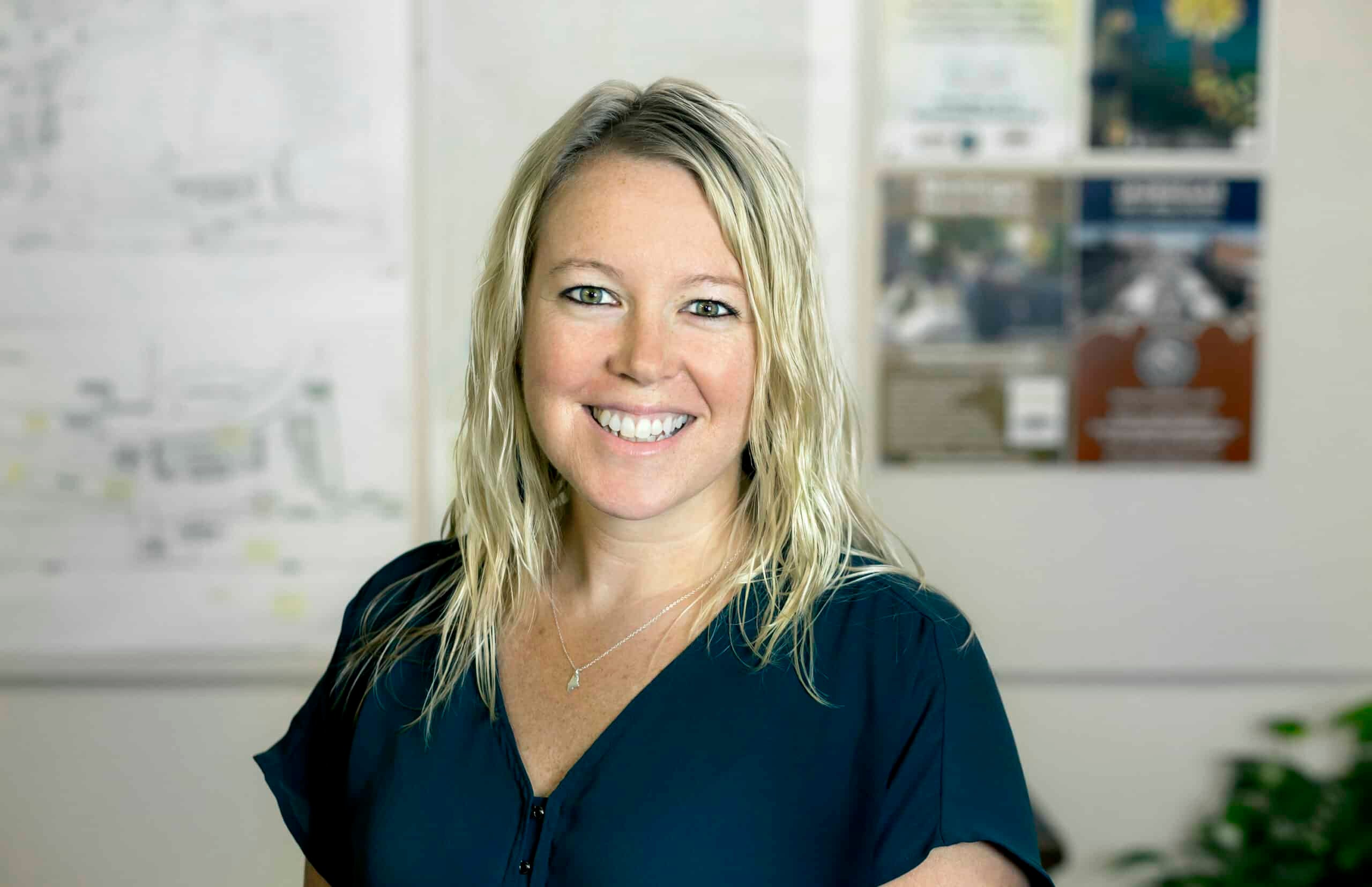
If governments and institutions trust local leaders and provide support, partnership, and boots on the ground, then rural regions will increase their capacity and build welcoming and inclusive communities.
What Is Community Capacity?
Community capacity is the collective strength of the commitment, resources, and skills that enable a region to act on shared priorities.
Commitment
Local leadership, civic participation, and willingness to act and work across divides
Resources
Funding, staff, infrastructure, data
Skills
Grant writing, project management, facilitation
These components are interdependent. Strong commitment without resources limits execution. Resources without skills reduce effectiveness. Skills without commitment do not sustain regional action.
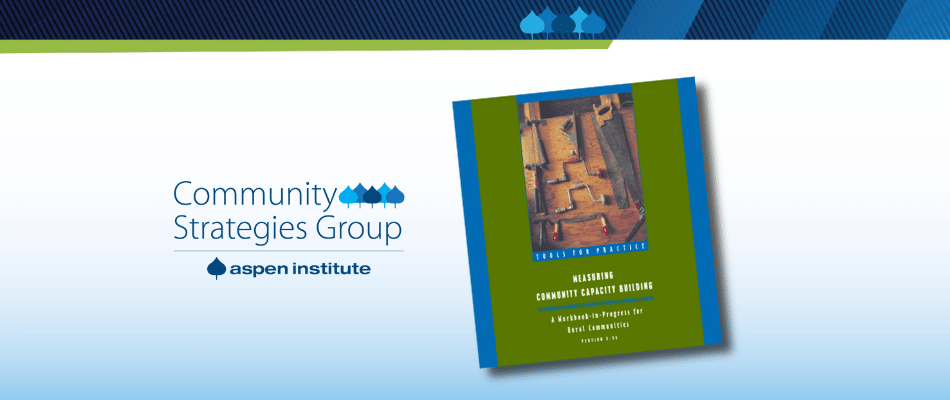
This understanding emerged from Aspen CSG’s decades-long commitment to supporting capacity building in rural and Indigenous communities. For more, see Measuring Community Capacity Building: A Workbook for Rural Communities.
Why Capacity Is the Constraint
Many rural regions have ideas and opportunities; the limiting factor is the ability to organize and execute.
Rural and Indigenous regions often operate with a small number of organizations and staff. The same people manage multiple roles across government, housing, workforce, health, and economic development. This creates bottlenecks and burnout:
- Limited grant writing capacity reduces access to federal and philanthropic funding
- Thin staffing constrains project management and compliance
- Fragmented coordination leads to duplicated or misaligned efforts
These constraints are structural. Smaller tax bases (or no tax bases, in the case of Native nations) limit public investment. Federal and state programs often require administrative capacity that exceeds what many communities can sustain. As a result, available resources don’t consistently translate into local outcomes.
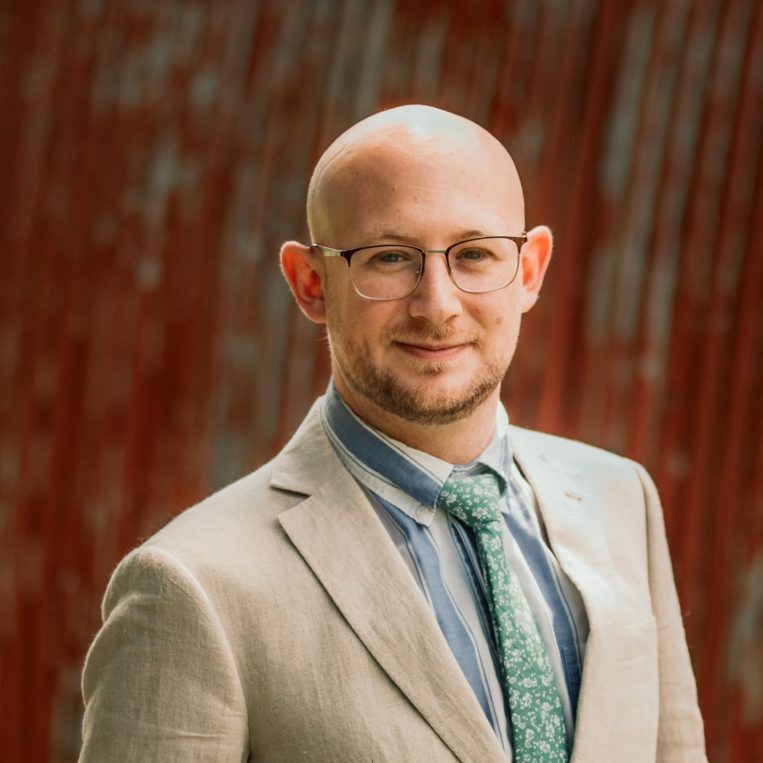
Community is infrastructure, and we need to treat it as such. That capacity is more resilient than anything else.
Who Builds Capacity in a Community?
Too often, outside entities (e.g., government, philanthropy, NGOs) have used the term “capacity” to talk about what rural communities and Native nations lack — in this deficit framework, “capacity building” involves outside organizations coming in to fill a hole in rural communities.
Aspen CSG believes this approach is not only ineffective but also harmful. Rural communities and Native nations want to be thriving versions of themselves, and rural people are best positioned to understand what capacity they need to get there.

Rural practitioners often balance multiple roles across housing, workforce, and economic development.
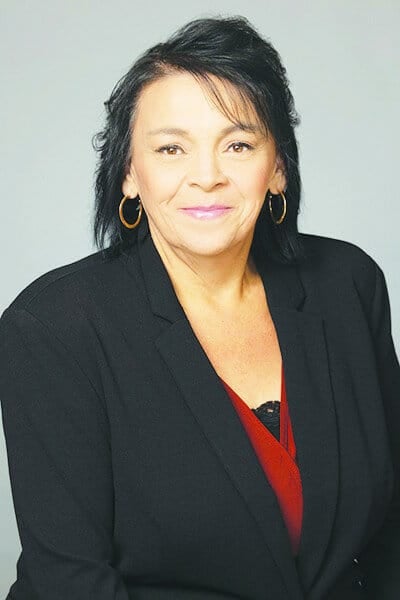
I’ve been working on Latino leadership programs because many people in our community don’t have a real chance to move up. Positions often go to people from outside, while local talent is overlooked. So I’m partnering with nonprofits to provide the training and support folks need to step into leadership.
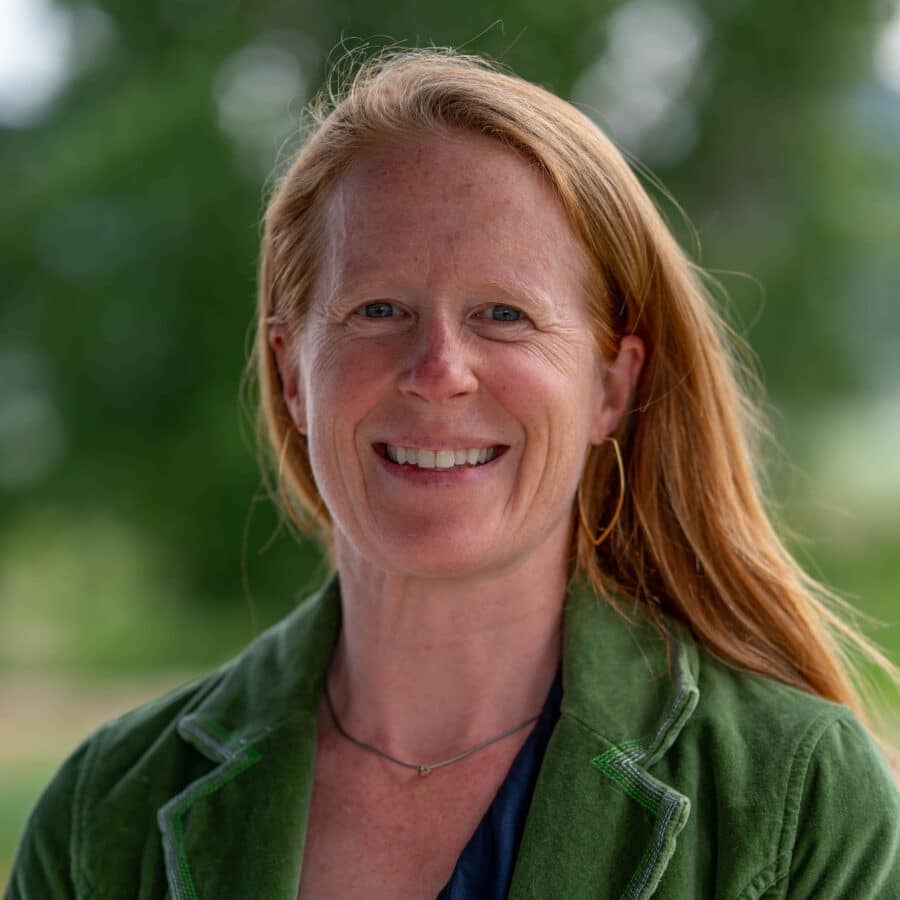
If federal, state, and philanthropic grantmaking and technical assistance programs recognize rural capacity limitations, then they can have realistic expectations for communities and support change without overburdening them.
How Rural Development Hubs Increase Capacity
Rural Development Hubs expand effective capacity by coordinating people, resources, and skills across a region.
A Rural Development Hub is a regionally rooted organization that aligns partners and fills gaps in local systems. Hubs do not replace local organizations; they increase what those organizations can do together.
Hubs enable leaders to connect within and across regions, facilitating the movement of knowledge and resources across boundaries. They coordinate amongst organizations, enabling shared capacity, stronger collaboration, and better stewardship of limited resources.
Hubs strengthen each component of capacity:
Commitment
Convene citizens to think collectively about problems and develop shared solutions with long-term success in mind
Resources
Pool funding, provide fiscal sponsorship, and align investments
Skills
Convene cross-sector partners and maintain shared priorities; offer shared services such as grant development, planning, and implementation support
This coordination increases the effective capacity of the region without requiring each organization to build every function independently.
Hubs prioritize economic development strategies that build local wealth and strengthen regions, collaborate (even across divides), take risks, test new ideas, and share what works. They focus on transformation rather than transaction, negotiate with funders to center local priorities and voices, and strengthen trust and capacity beyond immediate project results.
What’s Working in Practice
Capacity grows through action such as collaborating on shared services, developing leadership pipelines, and building trusted network connections.
Leadership Development

Programs that support young people and strengthen their ties to their hometowns build long-term community capacity.
Programs that build local leadership increase commitment and skill depth, a key part of building capacity in rural regions. This is particularly true when the focus is on helping young people learn skills and stay engaged.
In communities losing population, young people may feel they need to leave to succeed, which can make population loss worse over time. In communities experiencing rapid growth, high housing costs can make it difficult for young people to stay and establish themselves.
In all cases, supporting young people, strengthening their connection to the community, and creating local pathways for skills and careers are essential to a community’s long-term capacity and vitality.
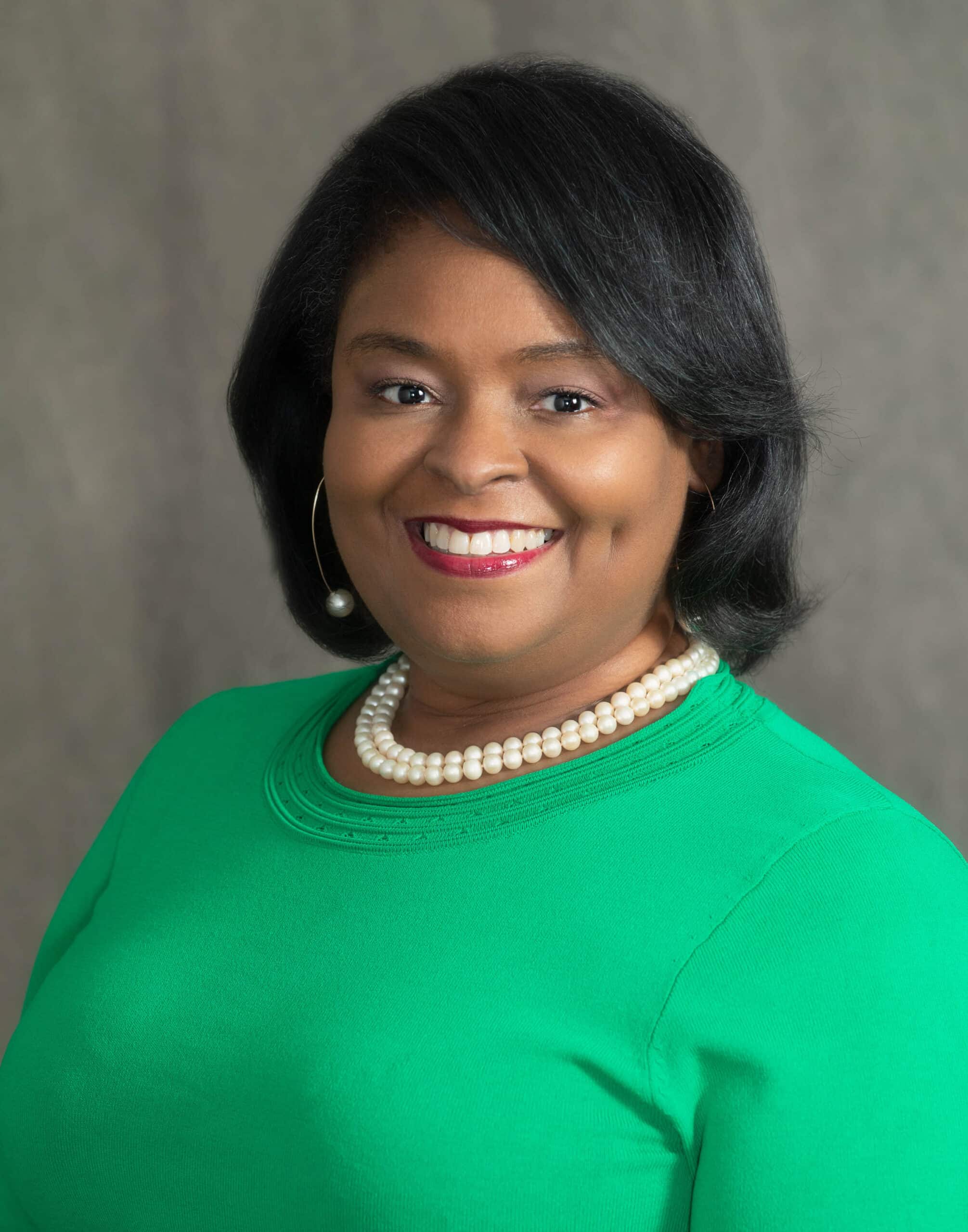
Strengthening local leadership is essential. Like many communities, we have seen people move away, so we have to work with those who remain. Some have had access to training and opportunities, others have not. The question is how to build that capacity so we can attract people back.
Strengthening Local Institutions

Local institutions — from churches to civic groups — help sustain identity, trust, and coordination in small communities.
Local news, arts, and cultural organizations support identity and information flow. Even small institutions contribute to coordination and public trust.
Shared Capacity Through Coordination
Rural Development Hubs can provide and support grant writing, planning, and project management across organizations. This allows smaller groups to participate in complex projects.
Network Connections
Peer networks and communities of practice reduce isolation and strengthen how knowledge is shared and applied. Access to comparable examples helps regions adapt replicable strategies to their local context.

Having a cross-sector group at the table to discuss values is critical. Every community needs a leader who can organize and facilitate these often difficult conversations about loss and change, and gradually bring others in so they can see their place in it. Local leadership shapes whether change succeeds and how hard it is on people.
Building Capacity Across Systems
A common form of capacity building involves community groups learning the language and practices of government and philanthropy. But what if government and philanthropy built their capacity to use the language and practices of rural communities and Native nations? For examples of this work, see Aspen CSG’s case study Building Funder Capacity to Work with Communities.
Hazard, Kentucky
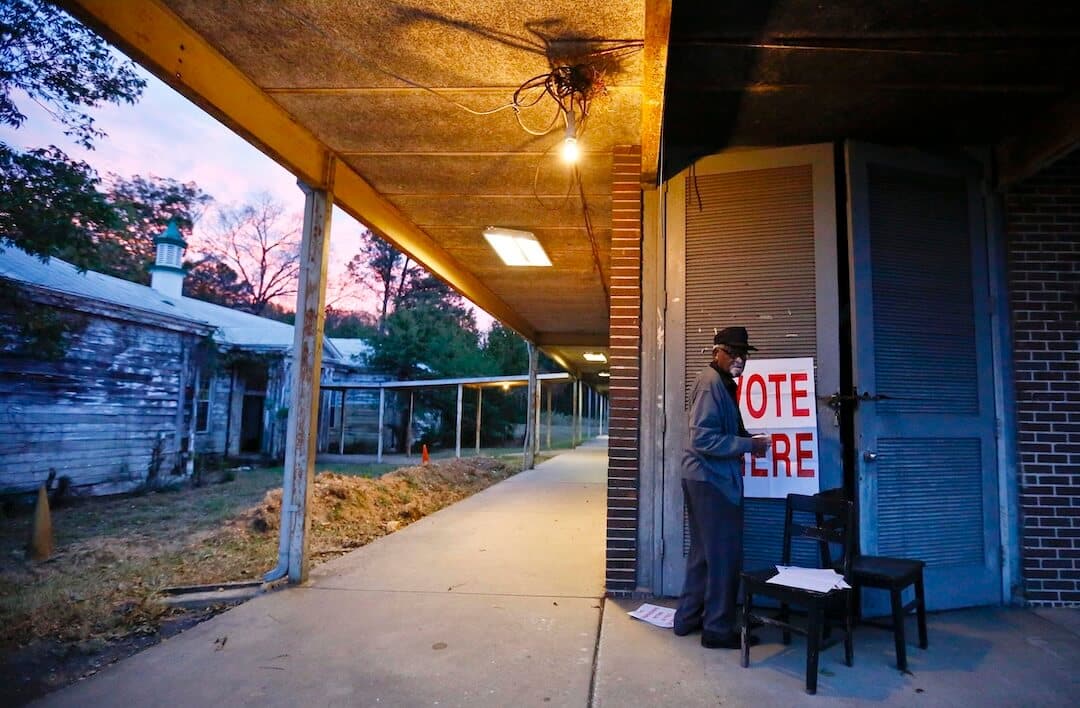
While much of Eastern Kentucky has lost population, Hazard has grown slightly, shaped by long-term transition away from extractive industry and more recent in-migration.
The change reflects multiple organizations working across finance, housing, business development, and culture.
The Foundation for Appalachian Kentucky, the Mountain Association, Redbird Financial Alternatives, Appalachians for Appalachia, Invest Appalachia, InVision Hazard, Northfork Local Food, and the Housing Development Alliance worked together to support business development, financing, and housing.
A city-supported staff role coordinates across organizations, aligns priorities, and keeps work moving.
Over the past five years, this approach has contributed to:
In Hazard, small population gains coincide with sustained regional coordination, a funded local role, and links between economic activity and cultural life.
For more on Hazard’s capacity-building success, listen to the Brookings Institution’s Reimagine Rural podcast.
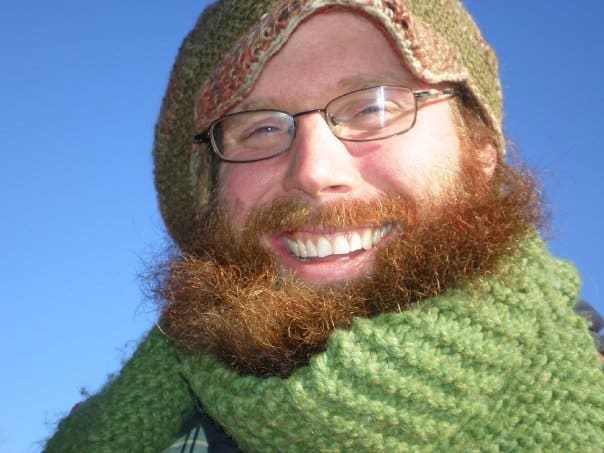
Economic migration in Appalachia has a long history; climate-related displacement is more recent. In response, a network of local organizations is coordinating efforts, with support from a town employee. Together, they are creating conditions for new businesses, jobs, arts and culture, and a food economy that carries local traditions forward.
What’s Working: How Rural Regions and Native Nations Are Building Capacity
Thriving communities assess capacity, choose mechanisms, align resources, and track progress.
1. Assess Capacity
- Map existing commitment, resources, and skills
- Identify bottlenecks, such as staffing or grant capacity
2. Choose Mechanisms
- Establish or strengthen a coordinating entity, such as a Rural Development Hub
- Develop shared services across organizations
4. Implement and Iterate
- Use projects to build skills and relationships
- Track simple indicators such as funds secured, projects completed, and partners engaged
3. Align Resources
- Prioritize operating support alongside project funding
- Reduce administrative burden where possible
Philanthropic and Government Impacts on Capacity Building
Program design and funding structure shape how regions build and use capacity.
Rural practitioners described how external funding and program requirements affect a region’s ability to respond to economic and population change.
- Administrative burden: Complex application and reporting requirements can limit participation, particularly for regions with less staff capacity
- Funding type: Short-term, project-based funding restricts flexibility compared to multi-year general operating support
- Program design: Flexible programs allow communities to adapt resources to local conditions and priorities
- Partnerships: Working through regional intermediaries, such as Rural Development Hubs, can improve coordination and increase impact
Conclusion
Capacity shapes whether rural and Indigenous regions can harness changing conditions into stable, locally defined outcomes. Building that capacity requires coordination, sustained investment in people and institutions, and alignment between local priorities and external support.
Grounded in Practitioner Experience
This case study reflects insights from practitioners working in rural communities and Native nations across the United States.
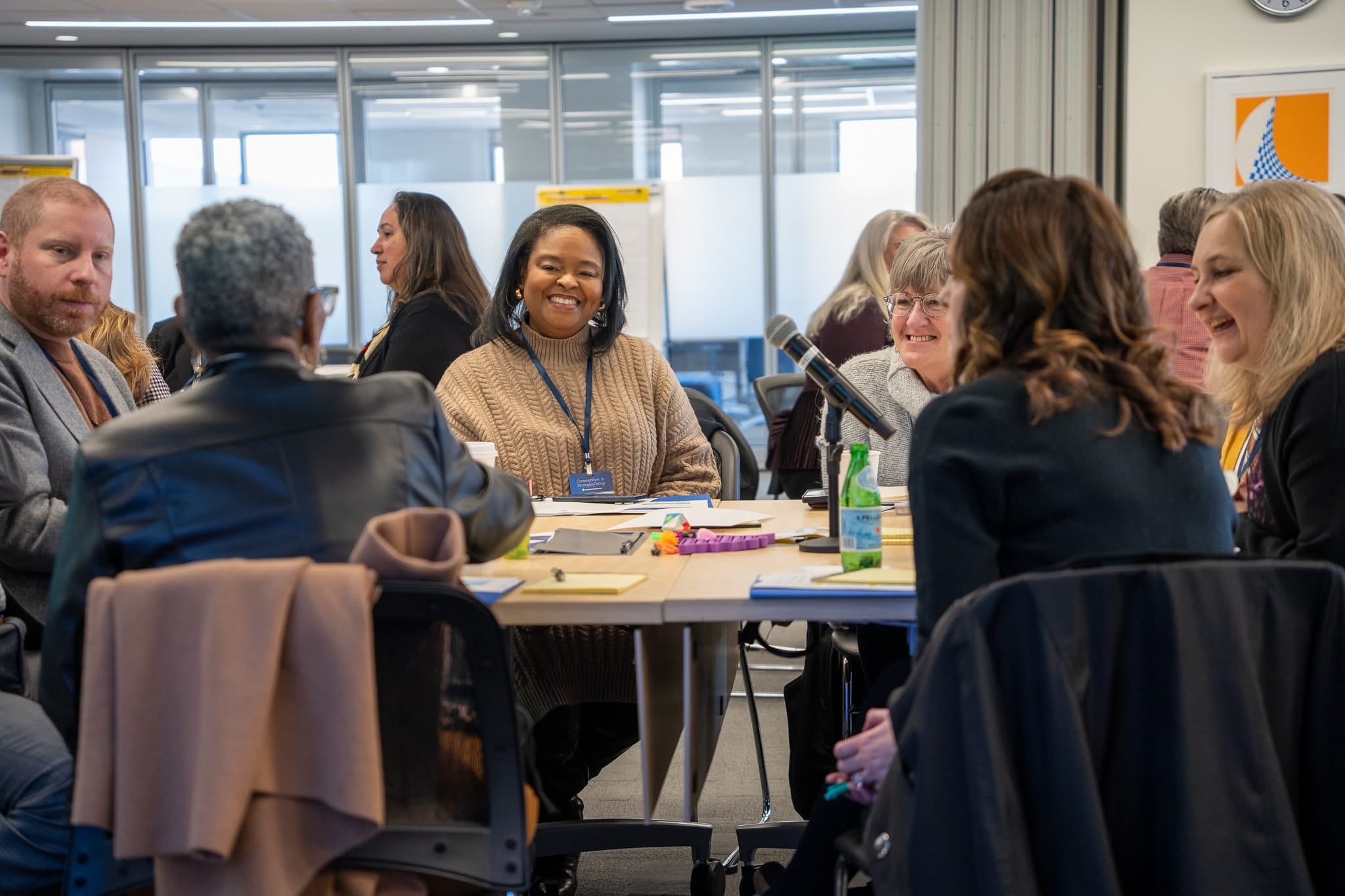
Aspen CSG convenes practitioners from rural regions and Native nations to share strategies for building community capacity.
In 2025, Aspen CSG convened a series of conversations with 28 economic and community development practitioners. Participants included leaders of Rural Development Hubs, community-based organizations, financial institutions, and intermediary groups working across regions and sectors.
Across diverse places, practitioners described similar patterns in how communities build skills and resources, where they get stuck, and what helps them respond to changes in population and the economy in ways that reflect local priorities. These insights and experiences ground this case study.
Participants (affiliations as of January 2025)
Shane BartonCommunity & Economic Development Initiative of Kentucky, KentuckyAlex BeckBrattleboro Development Credit Corporation, Vermont Alissa BenoistFour Bands Community Fund, South Dakota
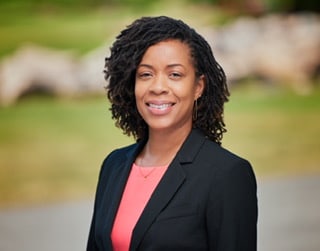 Brandy Bynum DawsonMDC, North Carolina
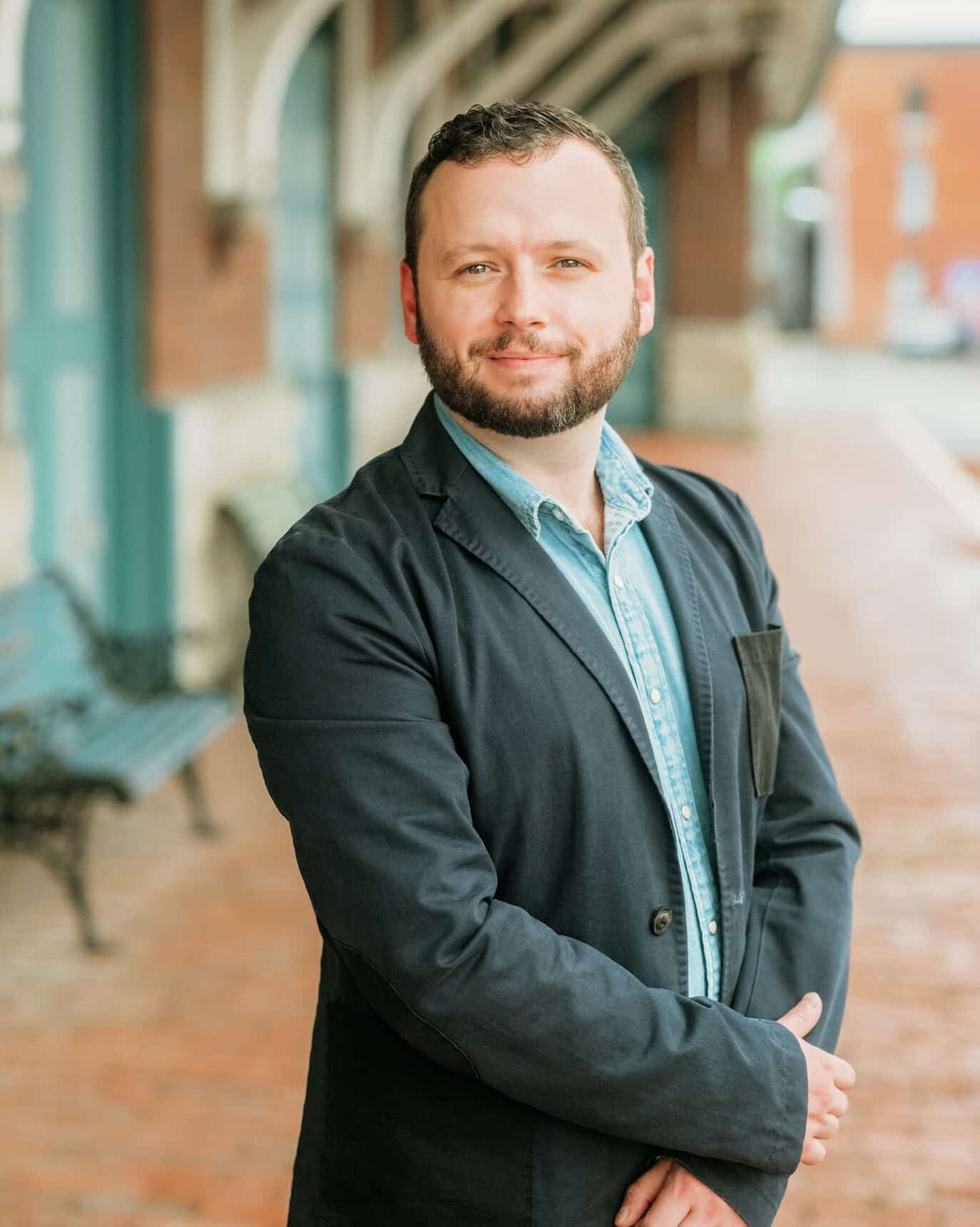 Baylen CampbellInvest Appalachia, KentuckyKristina CannonMain Street Skowhegan, Maine
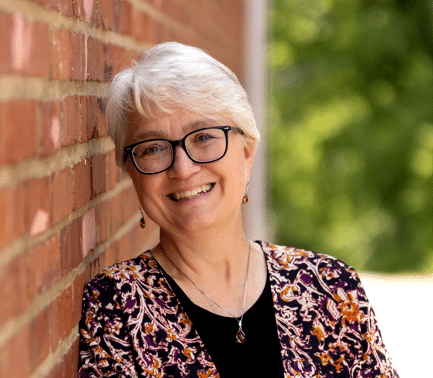 Donna DanielsBrushy Fork Leadership Institute, Kentucky
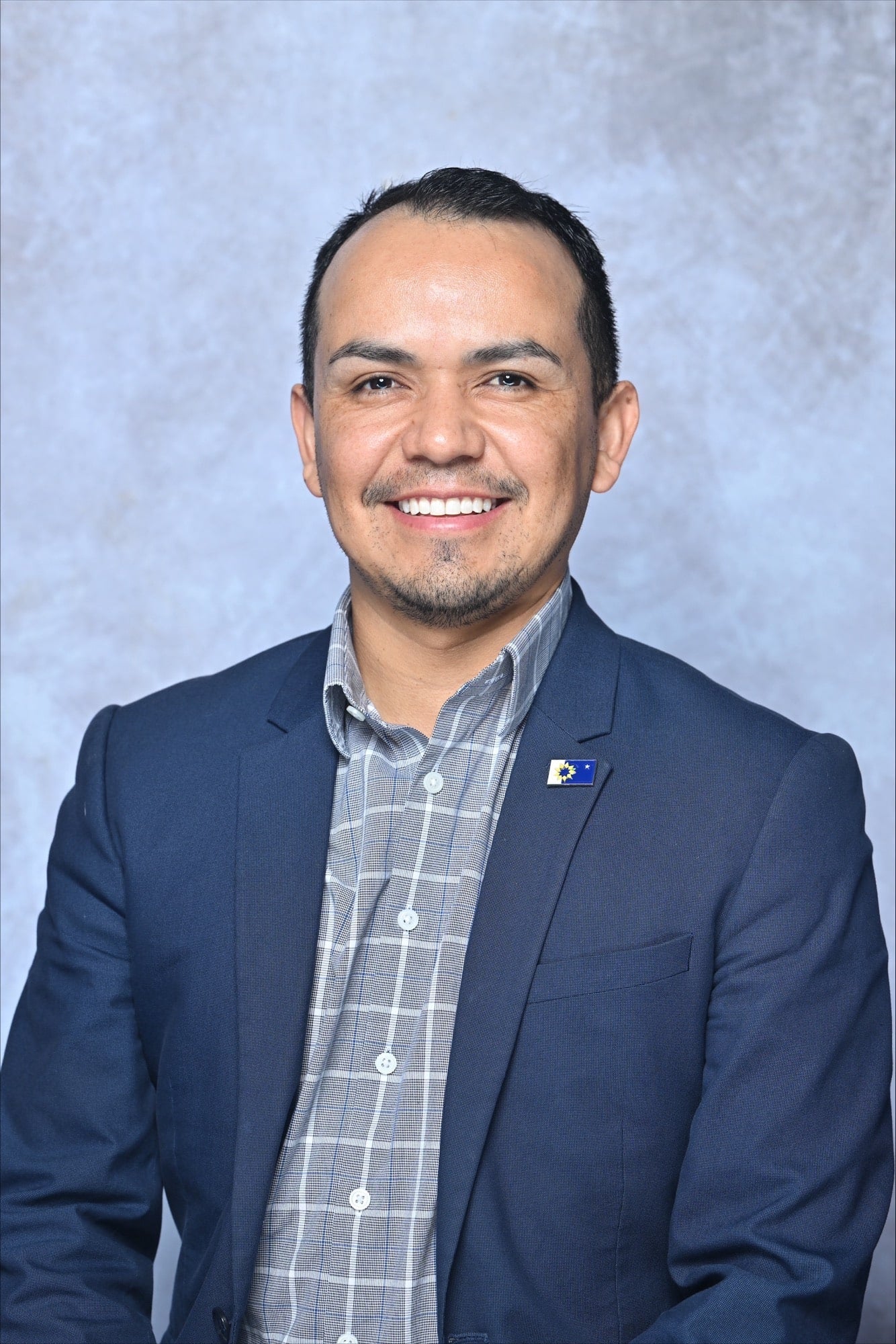 Ernestor De La RosaITC Holdings Corp., Kansas
 Miranda DupreVital Communities, Vermont
 Katie Egland CoxKaniksu Land Trust, IdahoLupita GarciaEnergy Resource Center, Colorado
 Lance GeorgeHousing Assistance Council, Washington DC
 Crystal GoodBlack By God, West Virginia
 Mario GuelBuild Healthy Places Network, Texas
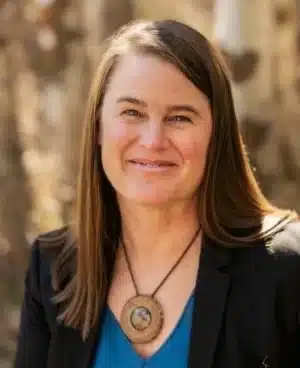 Laurel HarknessRVCC, California
 Janice IkedaVibrant Hawai’i, Hawai’i
 Than Than KyawSouthwest Initiative Foundation, Minnesota
 Dana KuhnlineReimagine Appalachia, OhioMegan LawsonHeadwaters Economics, MontanaFelecia LuckyBlack Belt Community Foundation, Alabama
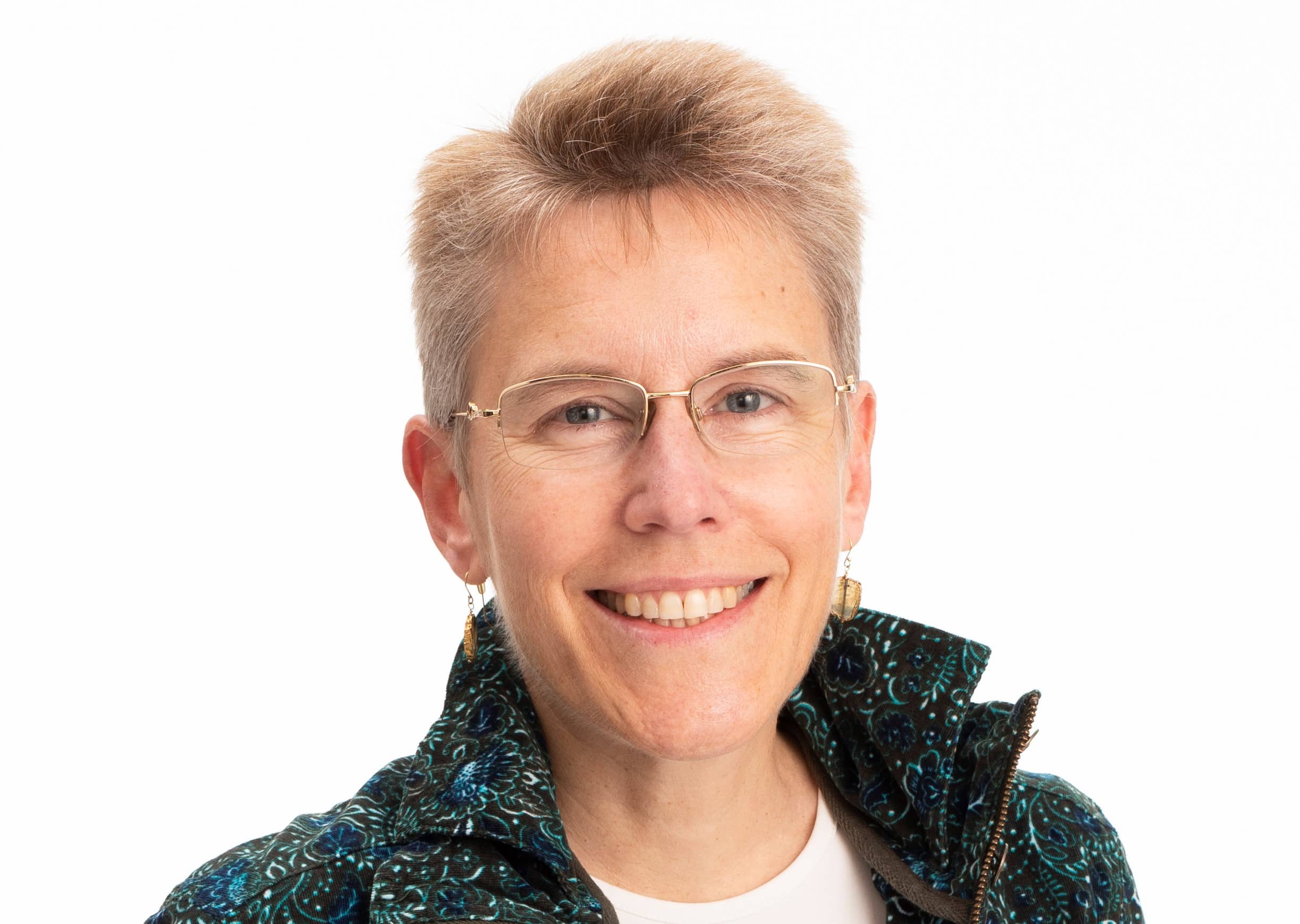 Ines PoloniusCommunities Unlimited, Arkansas
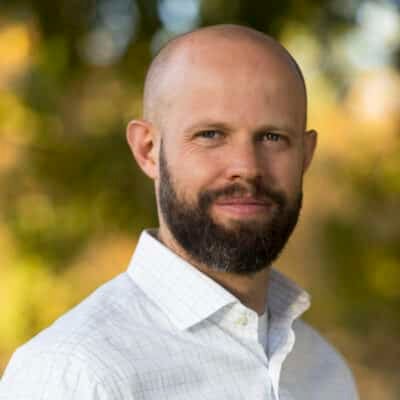 Daniel ReadLOR Foundation, Virginia
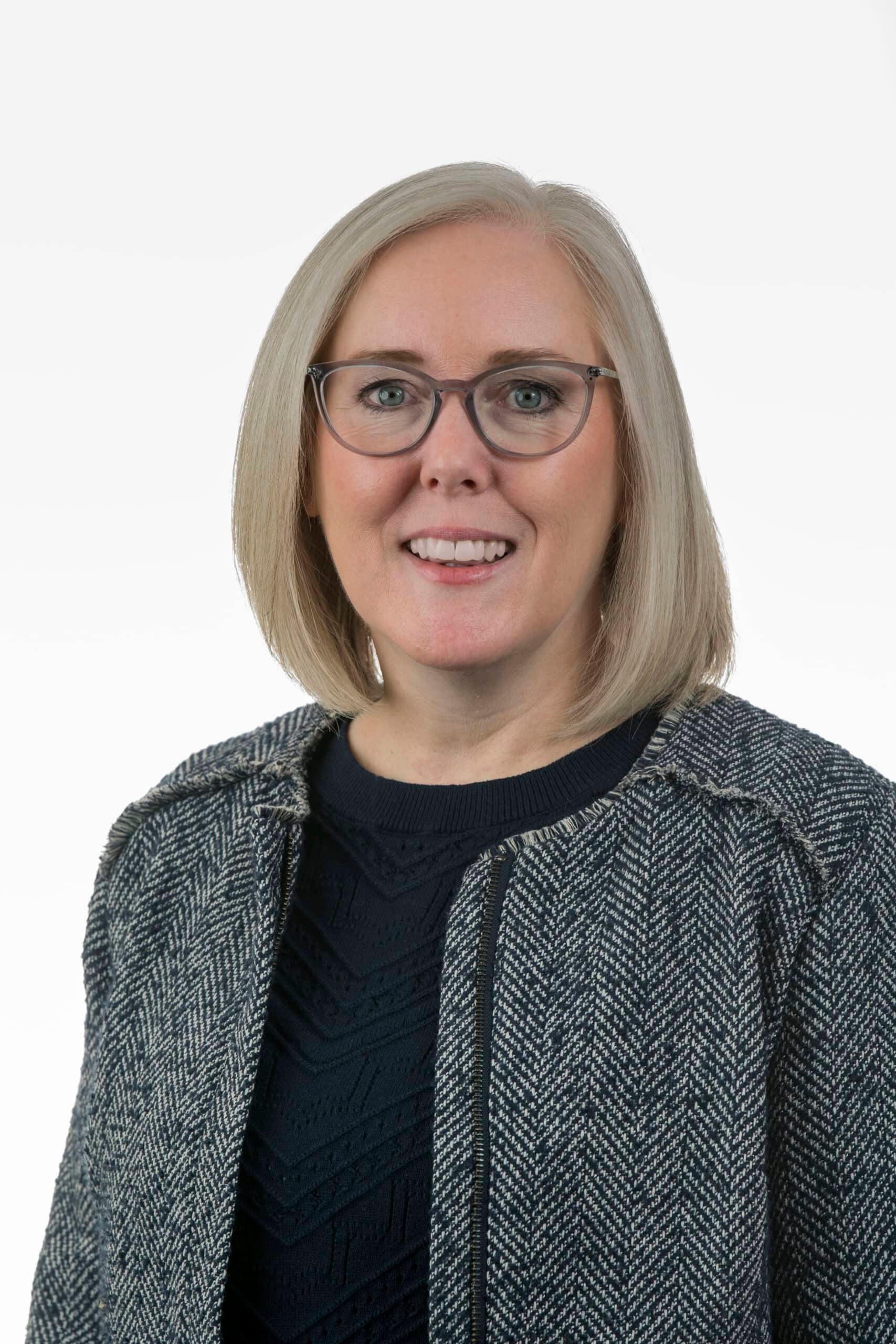 Jenna RowellLocal First Arizona, Arizona
 Susan ScarlataCity of Jackson, WyomingMeg Shoemaker LittleWelcoming America, Michigan
 Jessica StagoChange Labs, Navajo Nation/Arizona
 Carlton TurnerSipp Culture, Mississippi
 Bethaney WilkinsonSFLR, Georgia
This work was supported by a grant from the Robert Wood Johnson Foundation. The views expressed here do not necessarily reflect the views of the funder. This case study was written in partnership with Aspen CSG consultant Rebecca Huenink, whose contributions were central to its development. © 2026 Aspen Institute Community Strategies Group.
↑ Back to top